
Why Postpartum Anxiety Often Peaks Between 2–5 AM
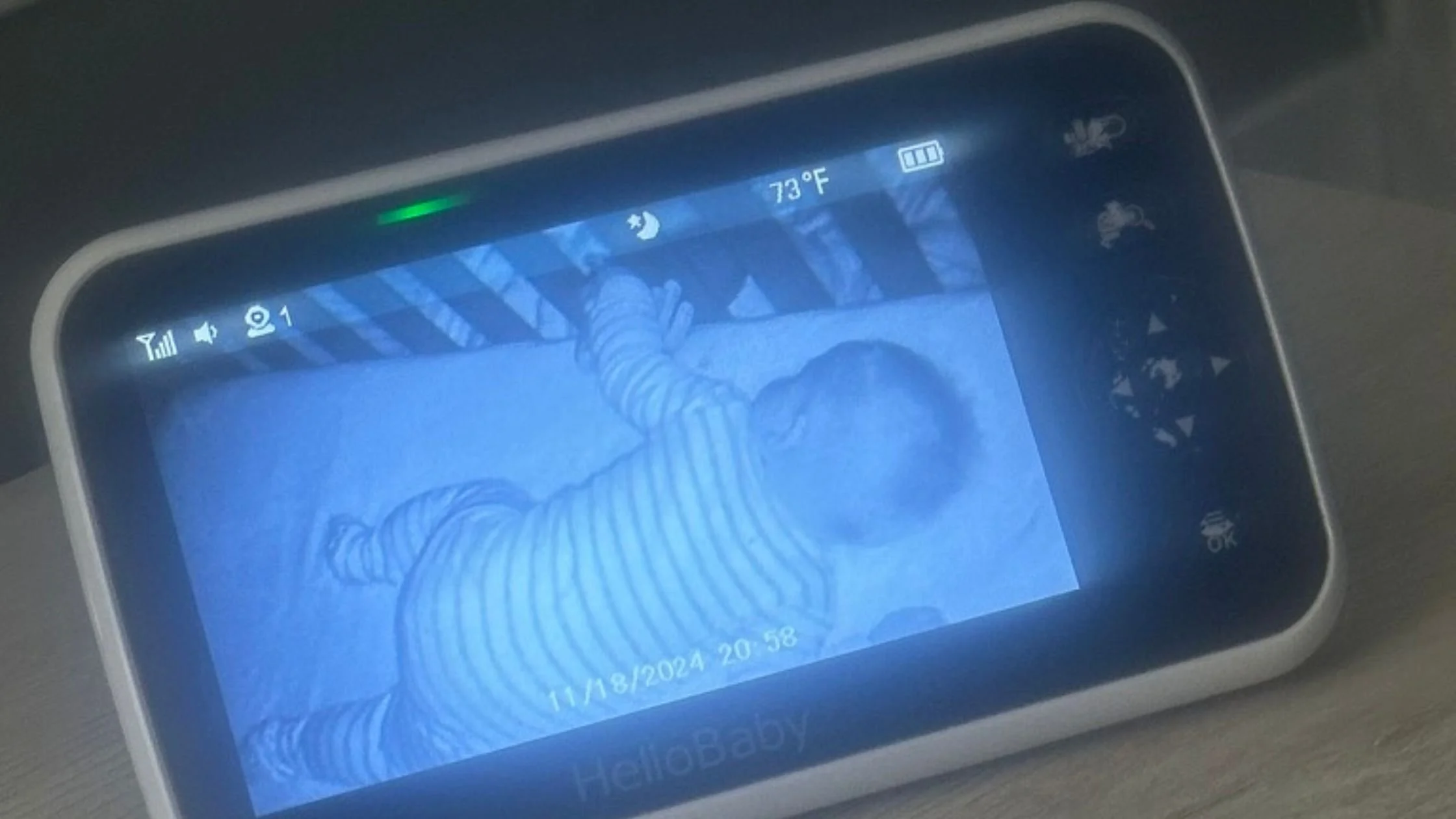
It’s the middle of the night.
The house is quiet.
Your baby is finally asleep.
And suddenly your mind starts racing.
What if something happens to the baby?
Did I hear something?
Should I check again?
Many mothers notice that postpartum anxiety feels strongest between about 2 and 5am.
And there are actually several biological reasons for this.
Your Cortisol Levels Are Rising
In the early morning hours, your body naturally begins increasing cortisol.
Cortisol is a hormone that helps wake you up and prepare for the day.
But when you’re already sleep deprived and emotionally raw from birth, that rise in alertness can feel more like anxiety than energy.
Your brain becomes more vigilant.
You Are Often Awake and Alone
Many nighttime feeds happen during this window.
Which means you’re awake while everyone else is asleep.
There are no distractions.
No daytime noise.
Just you, the baby, and your thoughts.
For an already sensitive nervous system, this quiet can make worries feel louder.
Sleep Deprivation Amplifies Everything
Sleep loss affects emotional regulation.
It lowers your brain’s ability to filter out unnecessary alarm signals.
So your mind may start scanning for danger more intensely.
Even when nothing is actually wrong.
Your Brain Is Wired to Protect Your Baby
This part is important.
Your brain is not malfunctioning.
It is doing exactly what evolution designed it to do.
Your nervous system is trying to keep your baby safe.
The challenge is that the brain sometimes confuses possible danger with real danger.
Which can create intrusive thoughts or compulsive checking.
The Good News
For most mothers, this intense nighttime anxiety improves as:
sleep becomes more consistent
hormones stabilize
your nervous system processes the birth experience
confidence in caring for your baby grows
The 2–5 am window becomes quieter.
Your brain stops scanning so intensely.
And eventually, you start sleeping again.
If you’re in that season right now, know this:
Your nervous system is adjusting to one of the most profound transitions a human being can experience.
You are not broken.
You are adapting.
